
Quick Answer: A Collectible Plush Series Needs More Than One Cute Design
A collectible plush toy series is built by creating a clear character system, repeatable design rules, controlled variations, strong packaging, and reliable production standards. The goal is not only to make one plush toy look cute. The goal is to make buyers want to collect the next version.
For brands, this means planning the full plush character collection before sampling starts. You need to define the base character, the series theme, the number of designs, the limited edition logic, the packaging format, and the production limits.
This matters more now because collectible toys are becoming more personal, wearable, and shareable. The Toy Association’s 2026 trend report notes that toys now work as expressions of personality, with bag charms, clip-on minis, and blind-box products gaining strong attention among children and adults. It also reports that 52% of U.S. parents bought a blind box toy for their children or themselves in the past year. Toy Association 2026 toy trends
Start With a Character System, Not Just Separate Plush Toys
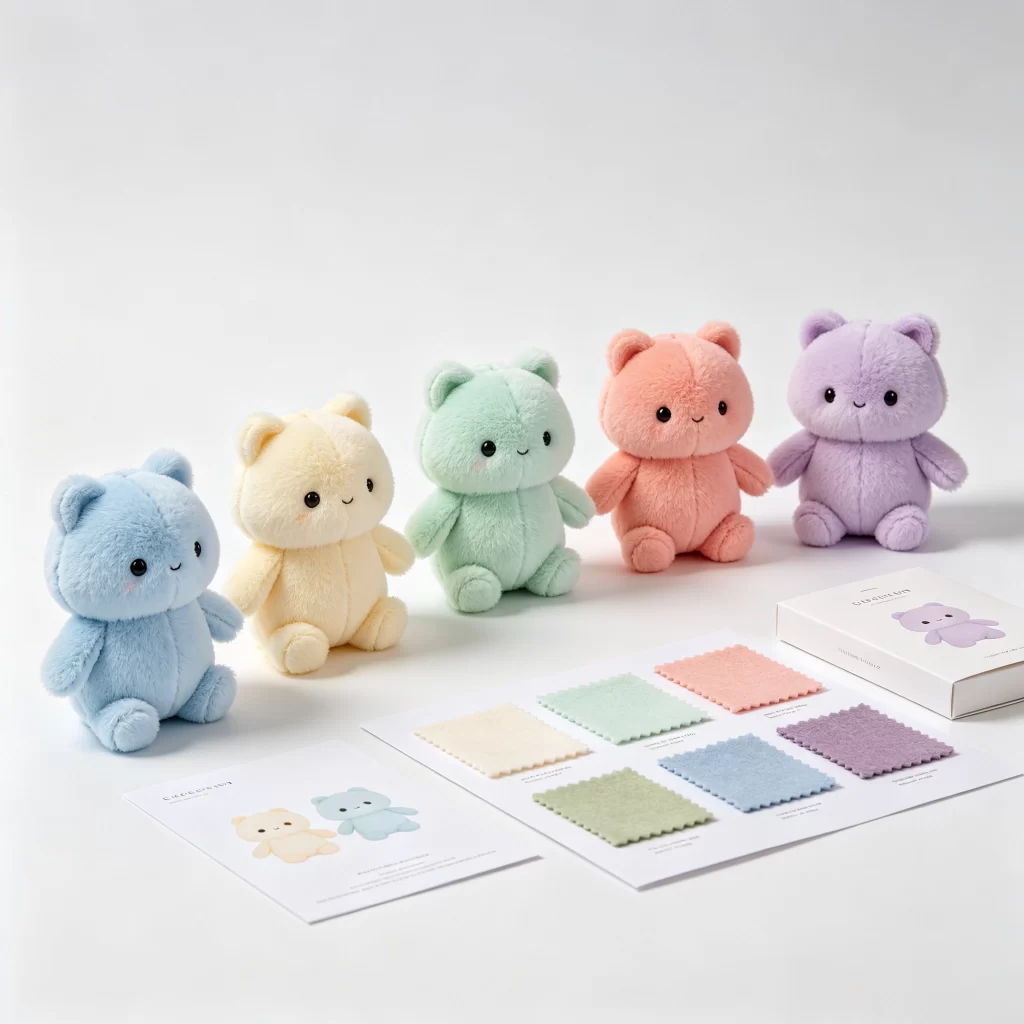
The biggest mistake is treating each plush toy as an isolated design. A collectible series needs a system. Buyers should feel that every character belongs to the same world.
A strong plush character collection usually has:
- one clear visual style
- one main emotional tone
- consistent body proportions
- repeatable face design rules
- a shared color direction
- a simple story or theme
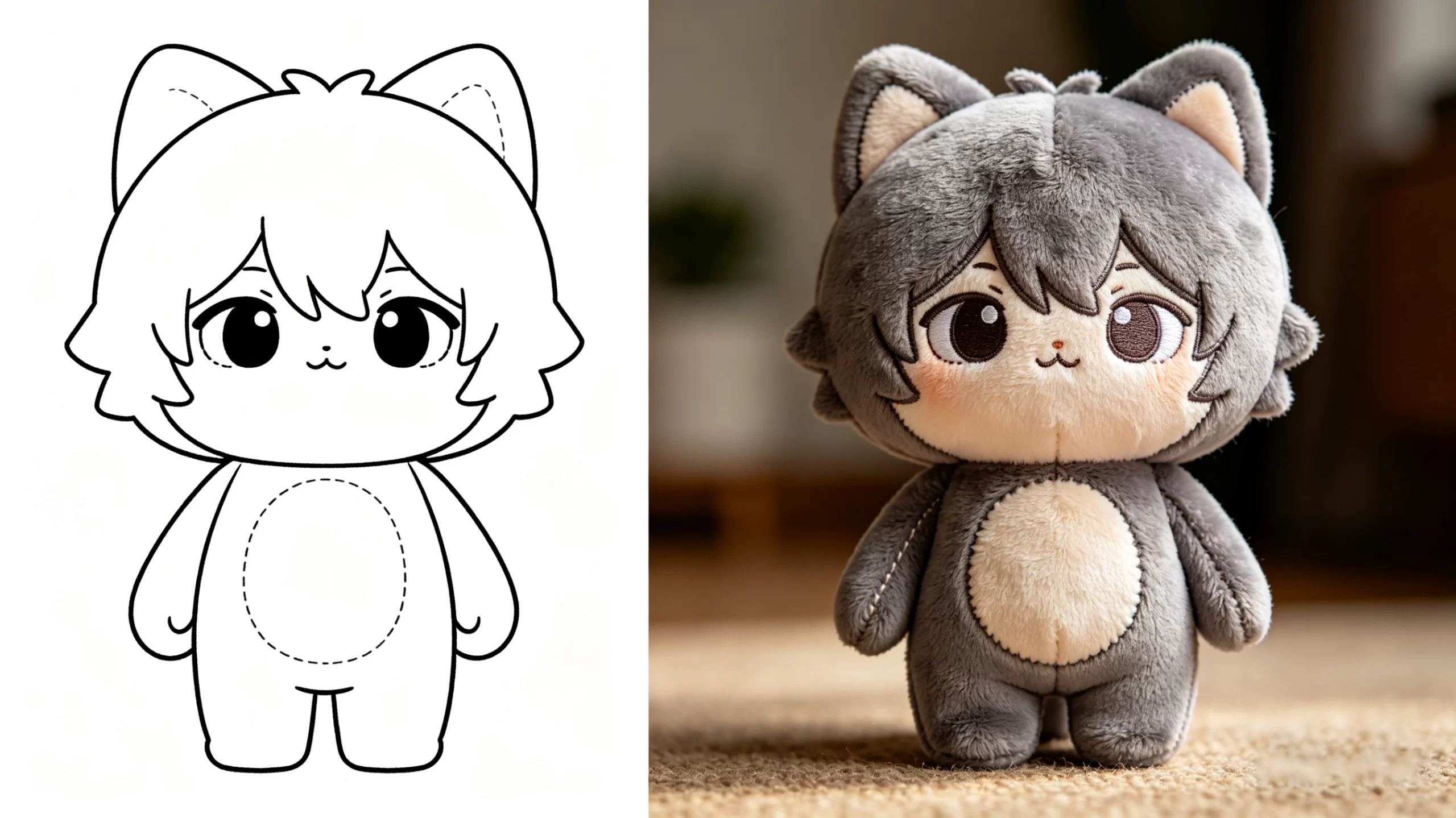
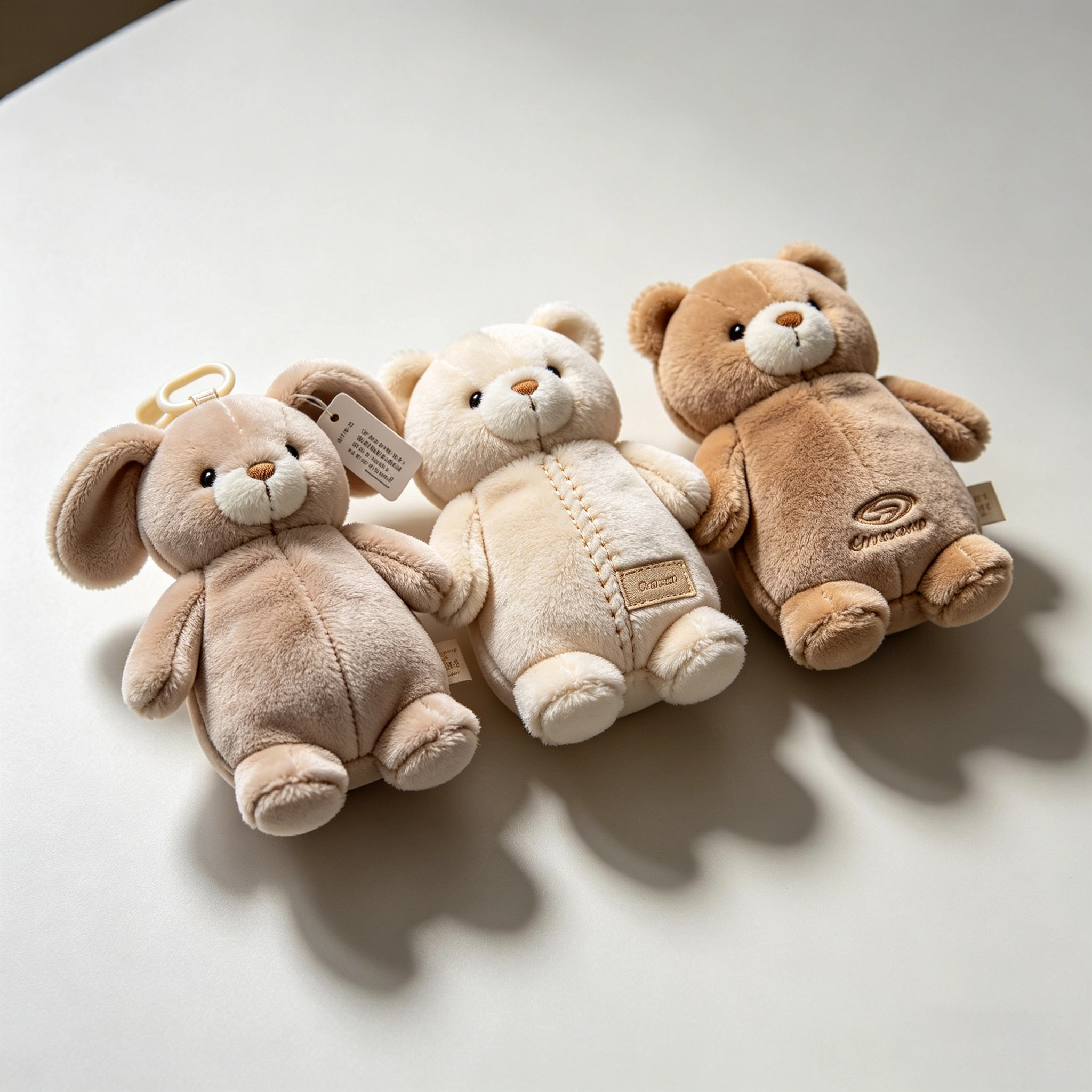
For example, a brand may create a forest creature series, a sleepy animal series, a bakery mascot series, or a tiny monster travel series. Each design can look different, but the overall collection should still feel connected.
In our sampling experience, buyers often send five or six unrelated artwork files and call them a series. This usually creates a weak collection. The buyer may like each design separately, but the customer does not feel a reason to collect all of them.
Decide the Series Logic Before Sampling
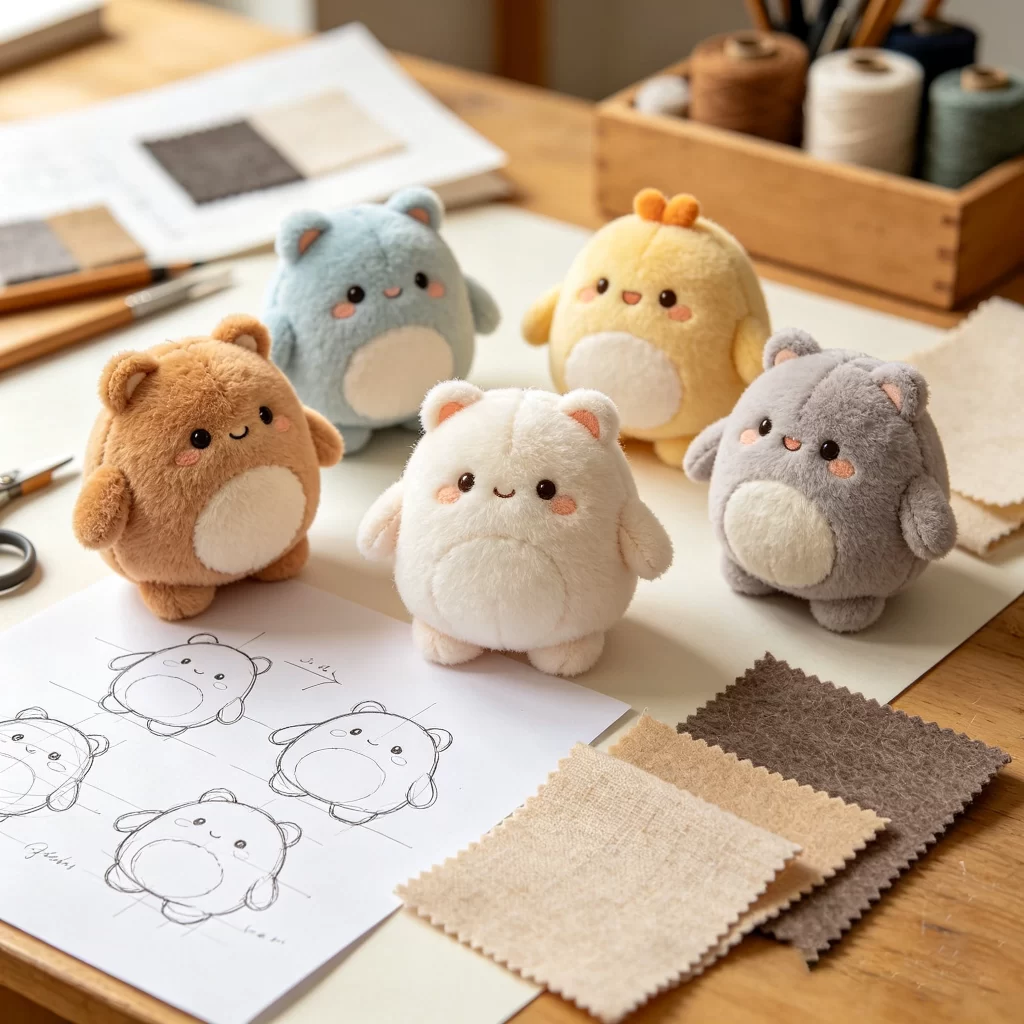
Before entering the plush toy sampling process, the brand should decide why the series exists. This sounds simple, but it affects almost every production decision.
| Series Logic | How It Works | Best For |
|---|---|---|
| Color variation | Same plush shape, different colors | Lower-risk first series |
| Expression variation | Same body, different faces or emotions | Character-driven brands |
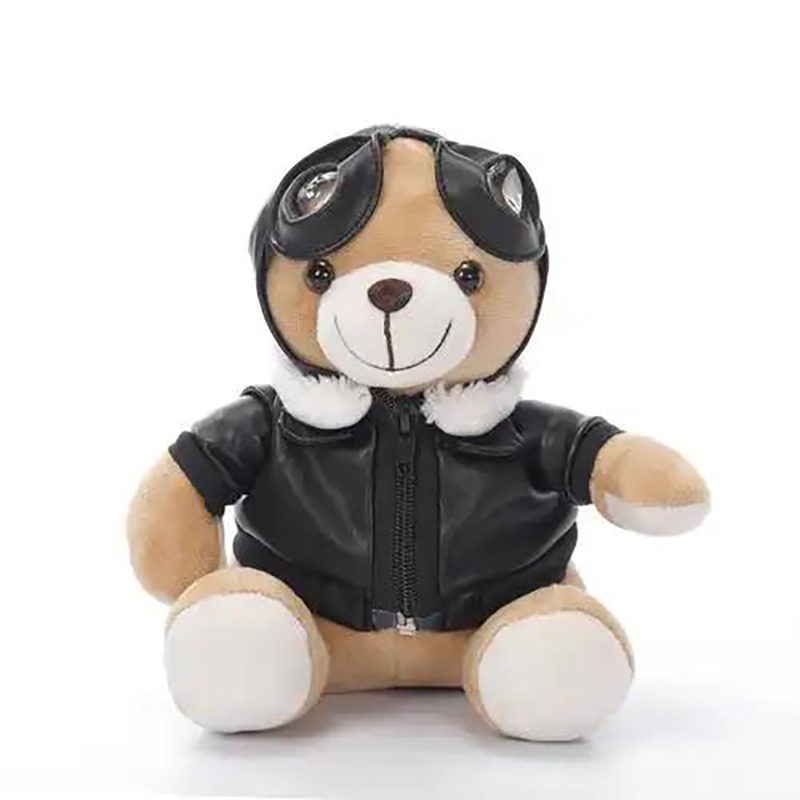
| Outfit variation | Same character, different costumes | Seasonal drops or IP projects |
| Animal variation | Same style, different animal characters | Gift brands and retail collections |
| Story variation | Each plush represents a role in one world | Original IP and fan merchandise |
For a first collectible plush toy series, we usually recommend keeping the structure simple. Four to six designs are often easier to control than ten or twelve. A smaller first series helps the brand test demand, reduce sampling cost, and keep quality more stable.
Choose What Should Stay the Same and What Can Change
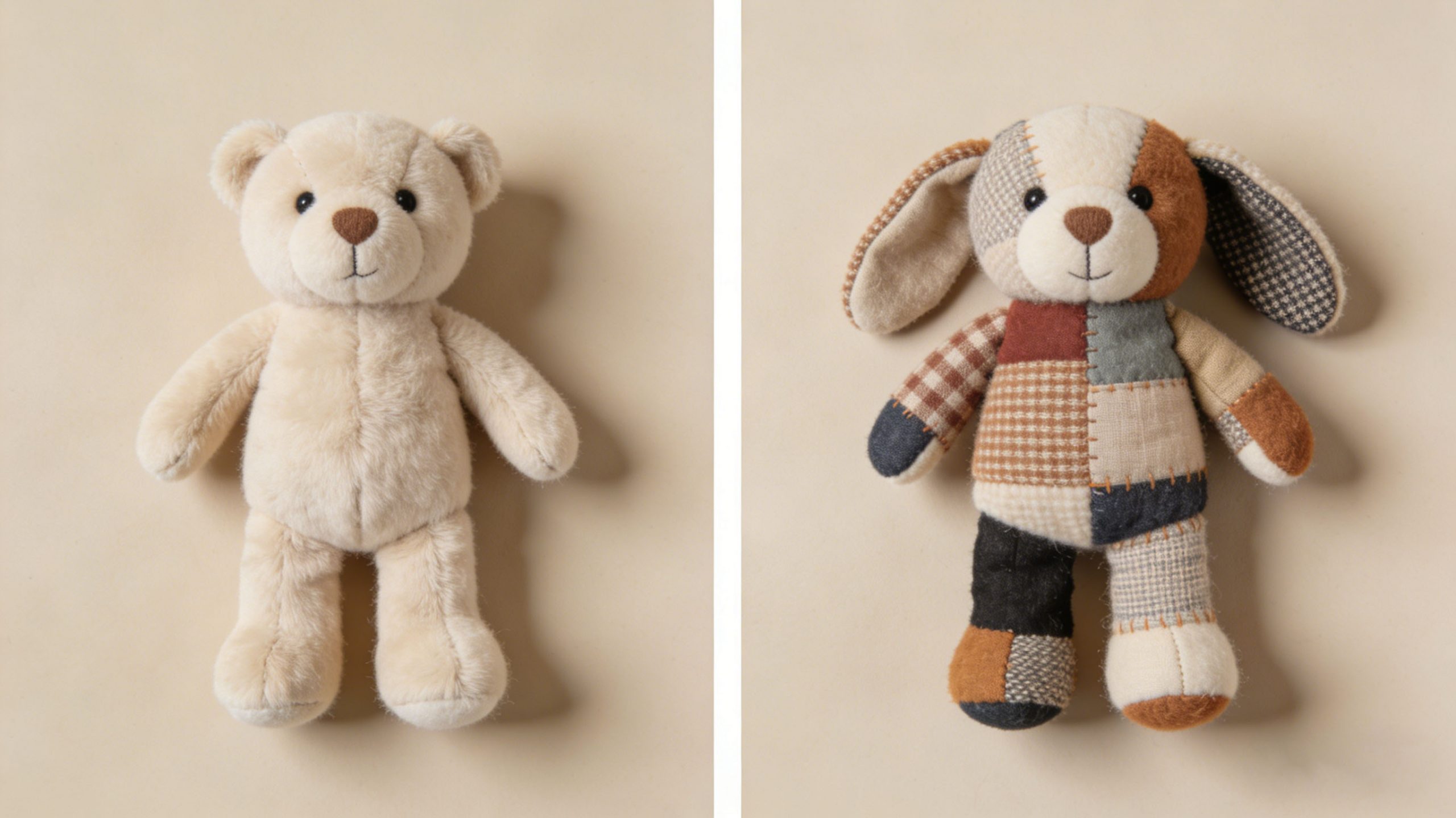
A collectible plush toy series works best when some details stay consistent and some details change. If everything changes, the series feels messy. If nothing changes, buyers may not feel enough reason to buy more than one.
The consistent parts should usually include the body shape, face position, size range, fabric hand feel, label placement, and packaging size. These details build recognition.
The variable parts can include colors, small accessories, embroidery expressions, outfits, themes, or limited edition details. These details create the collecting reason.
At Wehao Toys, we usually recommend confirming the base body first. Once the base shape is approved, the series can expand through controlled changes. This approach is more stable than developing every design from zero.
Plan Rarity, Limited Editions, and Blind-Box Options Carefully
Limited edition plush products can make a series more exciting, but rarity must be planned carefully. A limited edition plush should feel special, but it should not become too difficult to produce.
A rare version can use:
- a special colorway
- a different embroidered expression
- a small accessory
- premium packaging
- a seasonal theme
- a numbered hangtag or card
Blind-box packaging can also support repeat purchases. However, it is not suitable for every project. It works best when all designs have similar perceived value. If one version looks much better than the others, buyers may feel disappointed when they open a common version.
The blind-box model has become more visible in the toy market because it adds surprise and repeat buying behavior. Recent toy industry reporting also shows that major toy companies and retailers have expanded blind-box offerings after the Labubu craze.
Design for Production Consistency, Not Only Artwork Appeal
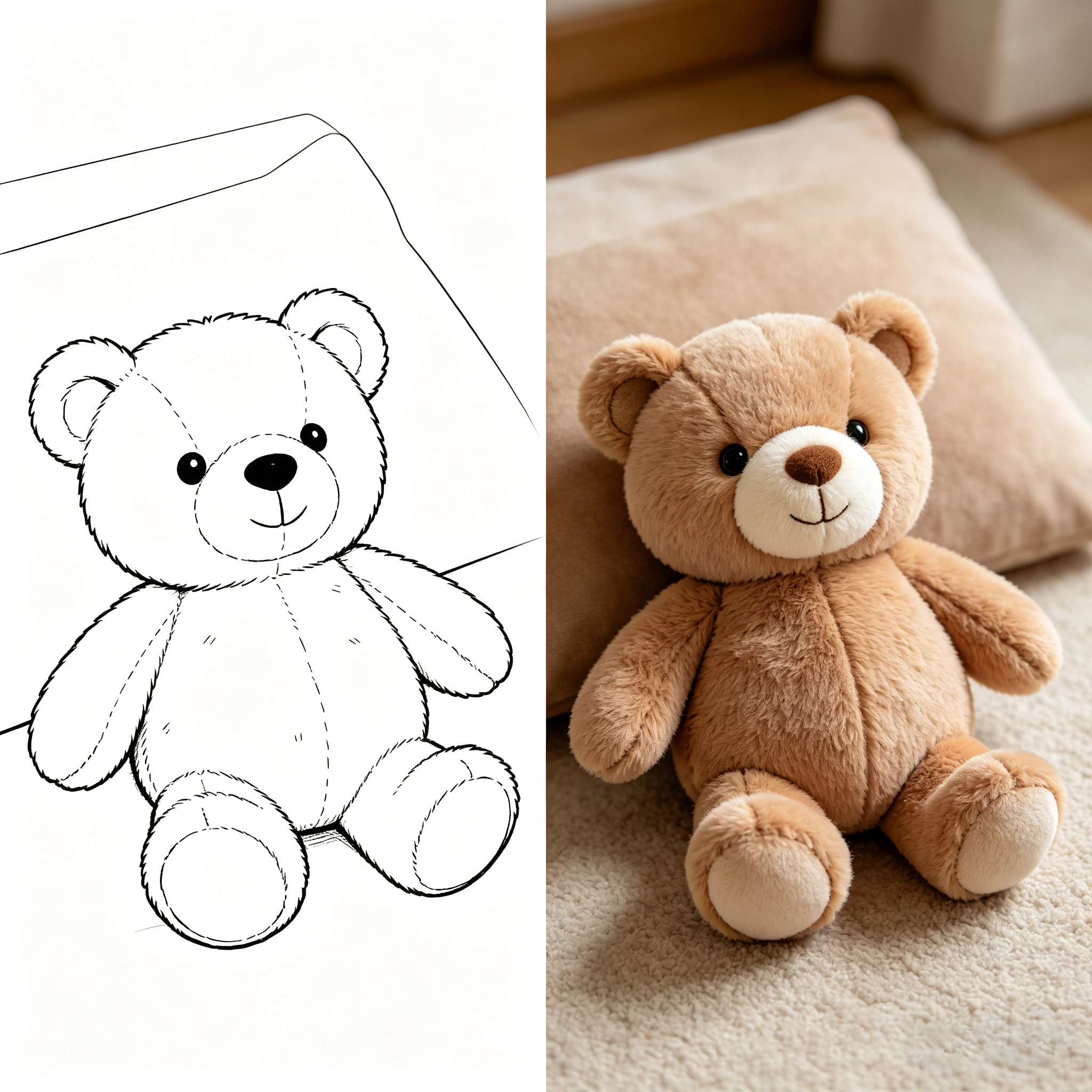
A plush toy series must be repeatable in bulk production. A design may look beautiful in artwork, but still create problems during sampling and mass production.
Common production-sensitive details include:
- tiny embroidery lines
- very small accessories
- thin ears, tails, or limbs
- complex printed gradients
- different fabrics across many versions
- hard-to-match colors
- unstable hanging angles for plush charms
For mini plush toys and collectible plush charms, small details are especially risky. The face must still be readable at a small size. Long-pile fabric may look cute, but it can cover embroidery. A tiny accessory may look nice in a render, but become weak or unsafe in real production.
In many projects, the best collectible plush is not the most complicated one. It is the one that can keep the same expression, shape, and quality across the full series.
Packaging Is Part of the Collection Experience
Packaging should not be treated as the last step. For collectible plush toys, packaging is part of the product experience.
The right packaging depends on how buyers will purchase the product, especially for plush keychain toys sold as charms or small collectibles:
| Packaging Type | Best Use | Risk |
|---|---|---|
| Blind box | Mystery collectible series | Needs strong series balance |
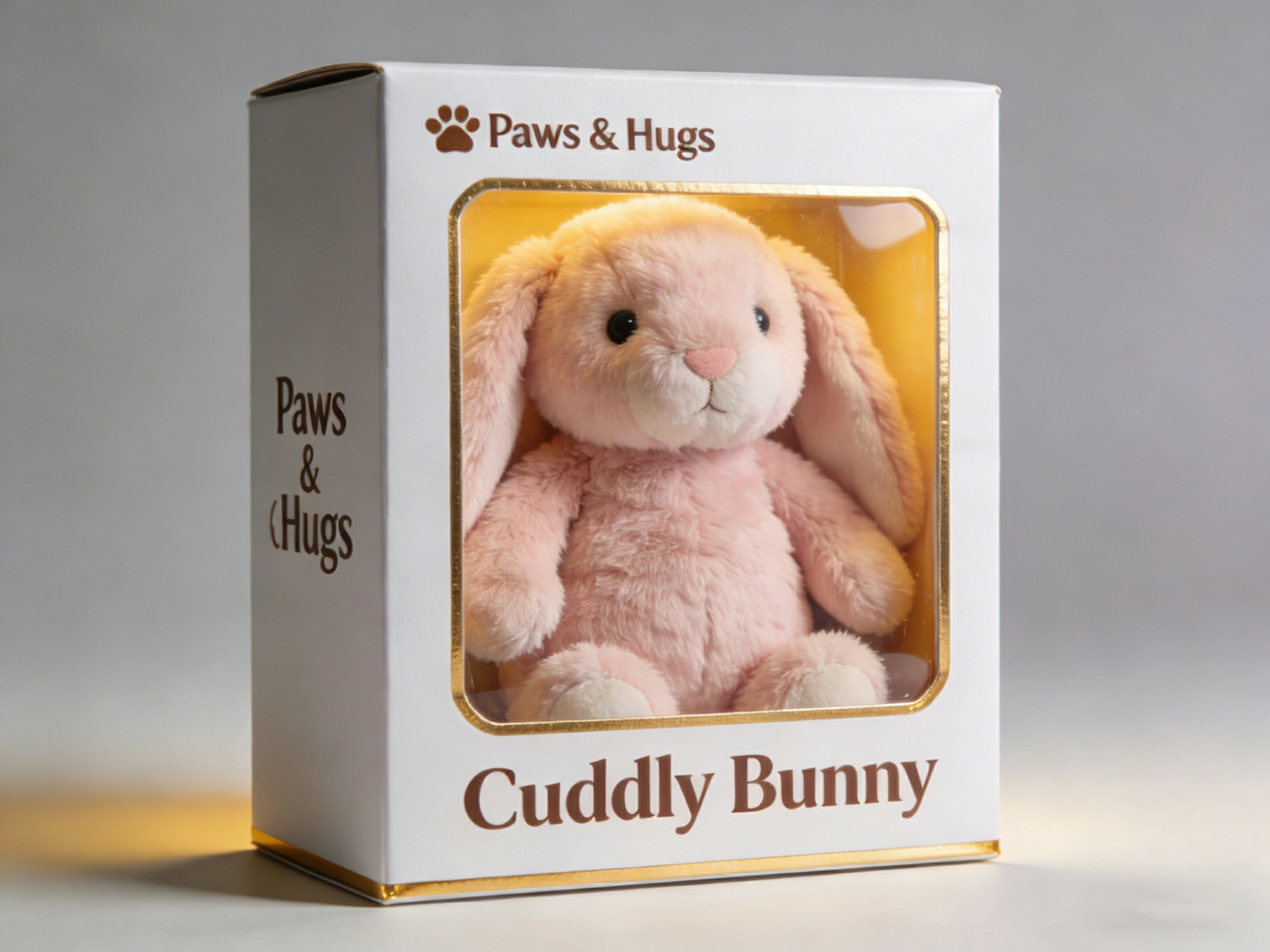
| Window box | Retail display and gift purchase | Higher packaging cost |
| Hang tag | Low-cost branding | Less premium feel |
| Header card with bag | Keychain plush or mini plush | May look less collectible |
| Collector card | IP or character storytelling | Needs good artwork support |
For plush toy branding, packaging should explain the series name, character name, edition logic, and brand identity. If the product is sold in the U.S. as a children’s toy, packaging also needs proper safety and labeling review.
Common Mistakes When Building a Plush Character Collection
Many collectible plush projects fail because the brand focuses only on the cute appearance. The real risks usually appear later during sampling, costing, packaging, or compliance review.
Common mistakes include:
- creating too many designs in the first series
- making every version structurally different
- using tiny face details that cannot be embroidered clearly
- choosing fabrics that are hard to match in bulk
- planning blind boxes without balanced character value
- forgetting packaging size and carton efficiency
- using copyrighted characters without permission
- ignoring U.S. toy safety requirements when selling to children
For IP-related projects, ownership and licensing should be checked before production. WIPO explains that merchandising is a form of IP licensing, where the owner of a trademark, industrial design, or copyright allows another party to apply that right to consumer goods.
For the U.S. market, plush toys sold as children’s products may need to comply with CPSC toy safety rules, ASTM F963-related requirements, small parts rules, and tracking label requirements. CPSC Toy Safety Business Guidance
Recommended Starting Plan for a First Collectible Plush Toy Series
For a first series, a practical plan is better than an ambitious plan. The goal is to prove the character concept, test buyer response, and prepare the brand for future drops.
| Project Element | Recommended Starting Point |
|---|---|
| Series size | 4–6 designs |
| Base structure | Same body shape across the series |
| Main variation | Colors, expressions, or small accessories |
| Size | Small enough for collecting, large enough for clear details |
| Packaging | Blind box, window box, or hangtag based on sales channel |
| Sampling focus | Face clarity, shape consistency, fabric feel, packaging fit |
| Safety review | Based on target age group and target country |
If the brand is still testing the market, start with one strong base character and several controlled variations. After the first drop performs well, the next series can introduce seasonal themes, limited edition plush designs, or new character families.
Final Takeaway
To build a collectible plush toy series, start with the system behind the product. A strong series needs clear character identity, consistent design rules, controlled variation, good packaging, safe construction, and realistic production planning.
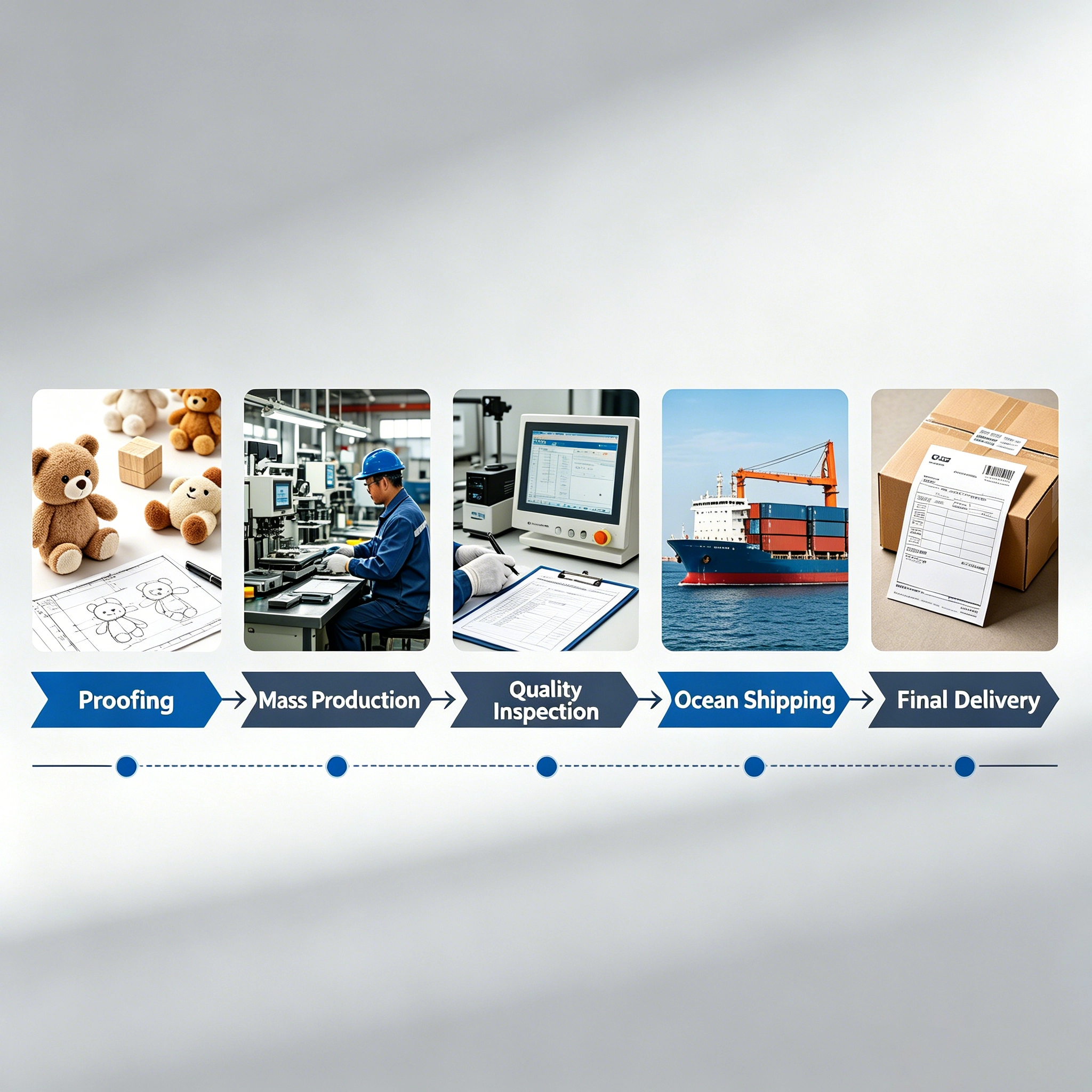
The best plush series does not rely on cuteness alone; it also needs reliable custom plush toy manufacturing support from sampling to bulk production. It gives buyers a reason to recognize, collect, display, share, and return for the next release.
For brands planning a plush character collection, the smartest first step is simple: build one strong base character, confirm the sample, then expand the world carefully.
FAQ
How do you create a collectible plush toy series?
Start with one clear character system. Define the theme, base body shape, color rules, character names, packaging style, and edition plan before sampling. A collectible plush toy series should feel connected, not like separate random designs.
How many designs should a first plush collection include?
For a first series, 4–6 designs is usually a practical starting point. It gives buyers enough variety while keeping sampling, MOQ, cost, and quality control easier to manage.
Should collectible plush toys use blind-box packaging?
Blind-box packaging works well when the full series has balanced value and clear collecting logic. If buyers need to choose exact colors, characters, or styles, window boxes or labeled packaging may work better.
What makes a limited edition plush more valuable?
A limited edition plush becomes more valuable when it has a clear difference, such as a special color, accessory, expression, packaging, collector card, or seasonal theme. The rare version should still be practical to produce.
What is the biggest mistake in plush toy branding?
The biggest mistake is designing one cute plush without a repeatable brand system. Strong plush toy branding needs a recognizable character style, consistent packaging, clear story, and future series expansion plan.
Can collectible plush toys be made for the U.S. market?
Yes, but the target age group matters. If the plush toys are sold as children’s products, U.S. safety requirements, small parts risks, labeling, and testing should be reviewed before production.