Materials & Structure

Explore plush toy fabrics, stuffing materials, embroidery techniques, plush structure, toy sizing, pile length, and construction details. Learn how different materials and structural choices affect plush toy softness, durability, appearance, and production cost.

Accessory Complexity Comparison | Wehao Toys

Small Details on Plush Toys: Eyes, Noses & Accessories

Answer First Small parts on plush toys—such as eyes, noses, and accessories—directly affect safety, cost, and production stability.In most custom projects, these details determine whether a design can move efficiently from concept to mass production. Why Small Parts Matter More Than They Seem Small components are not decorative details; they define how a plush toy […]
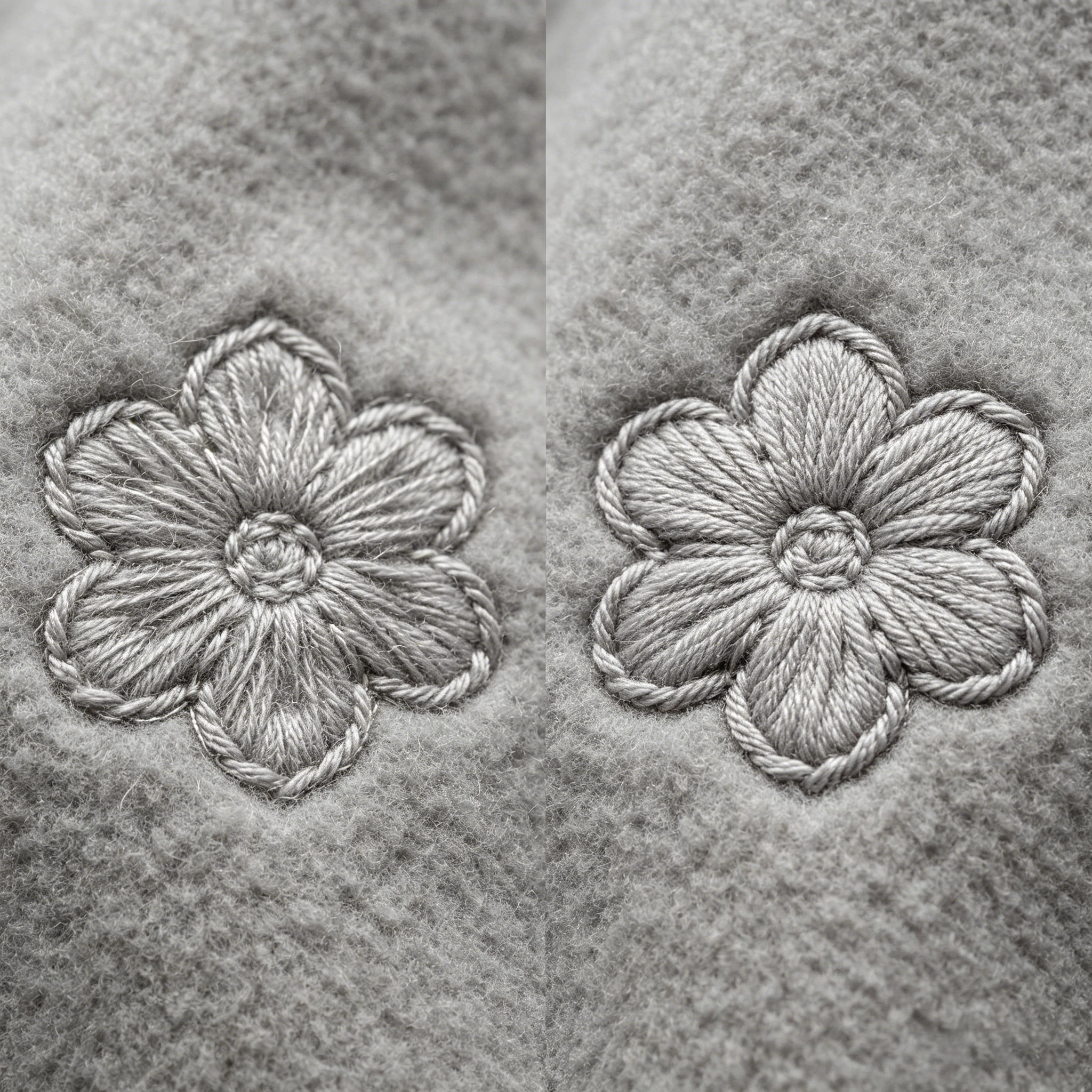
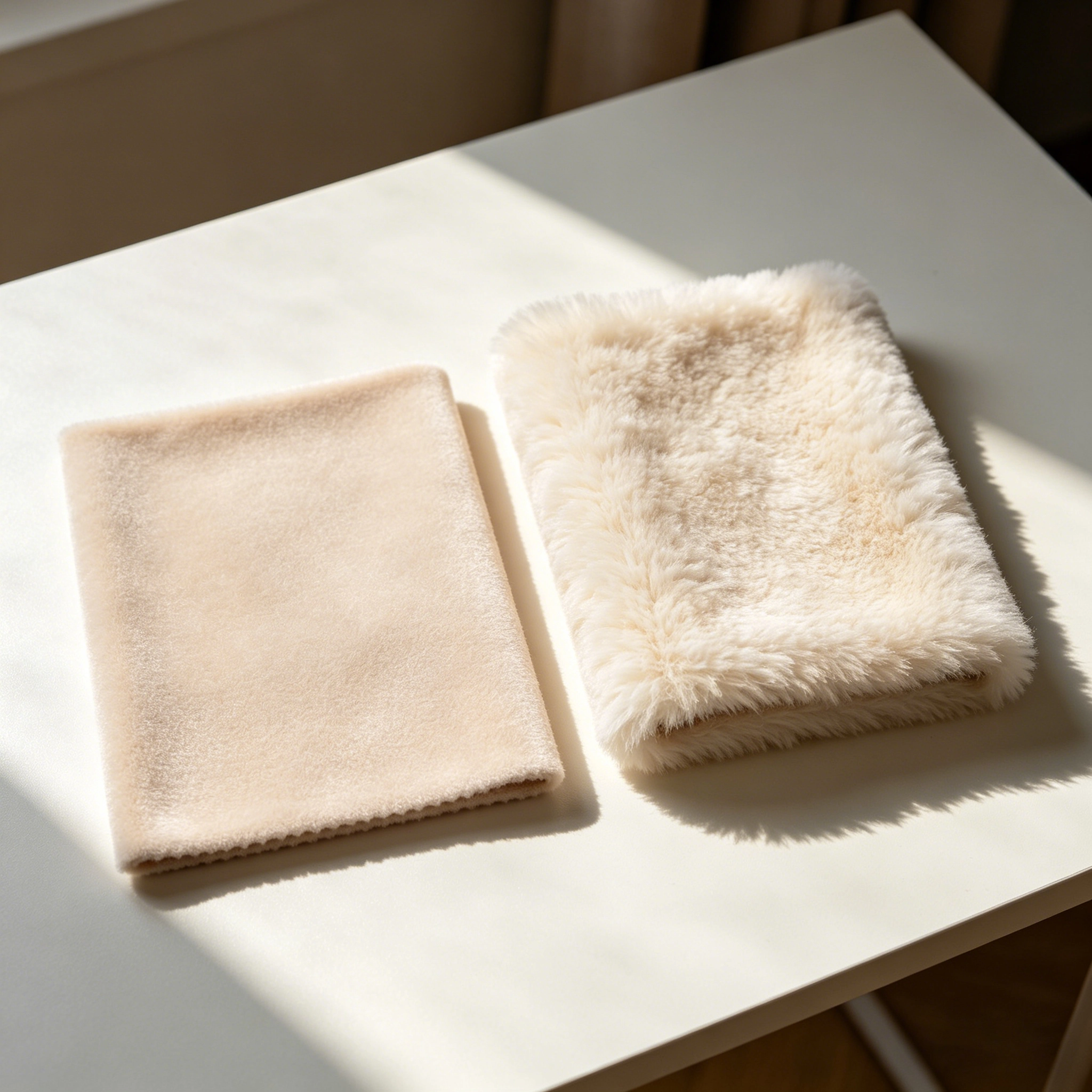
Short vs long pile plush comparison | Wehao Toys

Short Pile vs Long Pile Plush: Pros & Cons Explained

Short Answer: What’s the Difference? Short pile plush has a surface length typically under 5mm and delivers a smooth, clean finish with clear details. Long pile plush usually ranges from 10–30mm and creates a soft, fluffy appearance but reduces detail sharpness. The discuss which fabric suits your design between them is not aesthetic alone—it directly

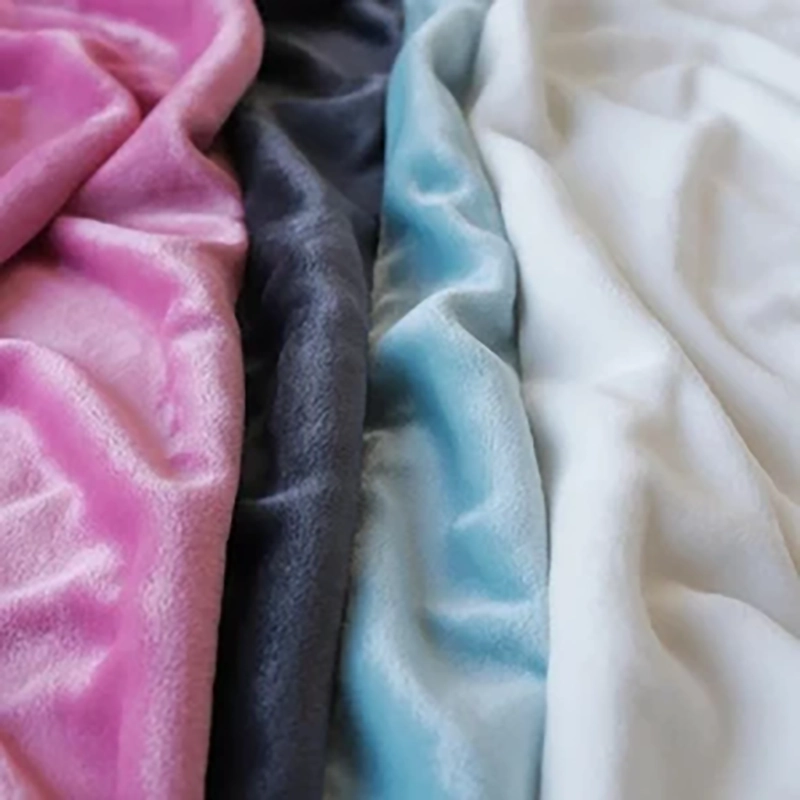
Minky Fabric Plush Surface Example | Wehao Toys

Minky vs Velboa vs Sherpa: What is the Real Difference?

Minky is the softest and most premium-feeling fabric, Velboa is the most cost-efficient and stable for mass production, while Sherpa offers a textured, wool-like appearance but comes with higher variability in production. In a plush fabric comparison, the choice is not about which is better, but which aligns with your cost, design, and consistency requirements.

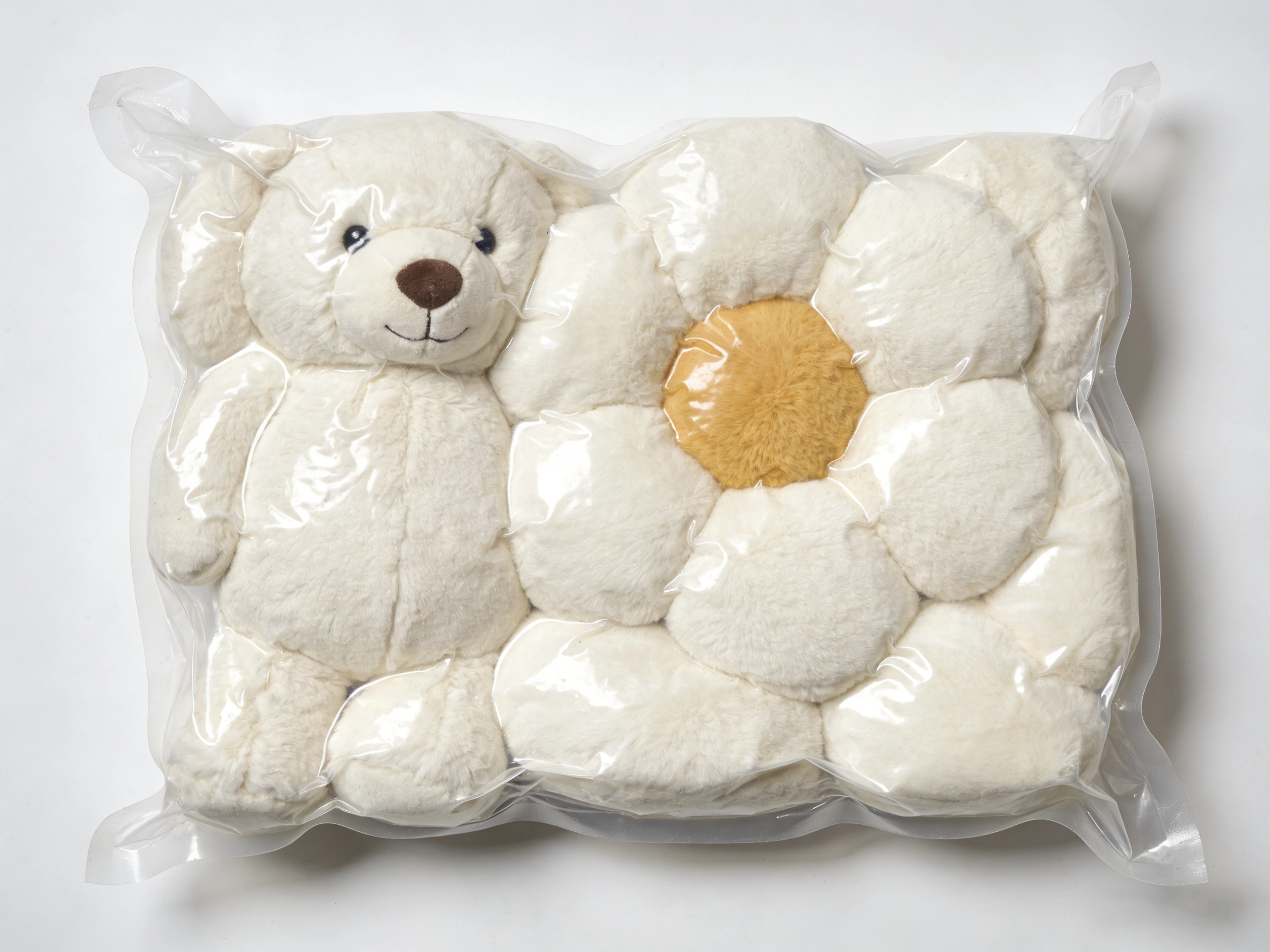
Vacuum Compression for Shipping | Wehao Toys

Plush Toy Weight & Stuffing Guide: Shape, Cost & Feel

What determines plush toy weight, shape, and feel? The weight, shape stability, and tactile feel of a plush toy are primarily determined by stuffing density, material type, and internal structure design. Among these, stuffing density alone can change total weight by 30–60% in the same size product. In practical sampling, we usually fine-tune stuffing in

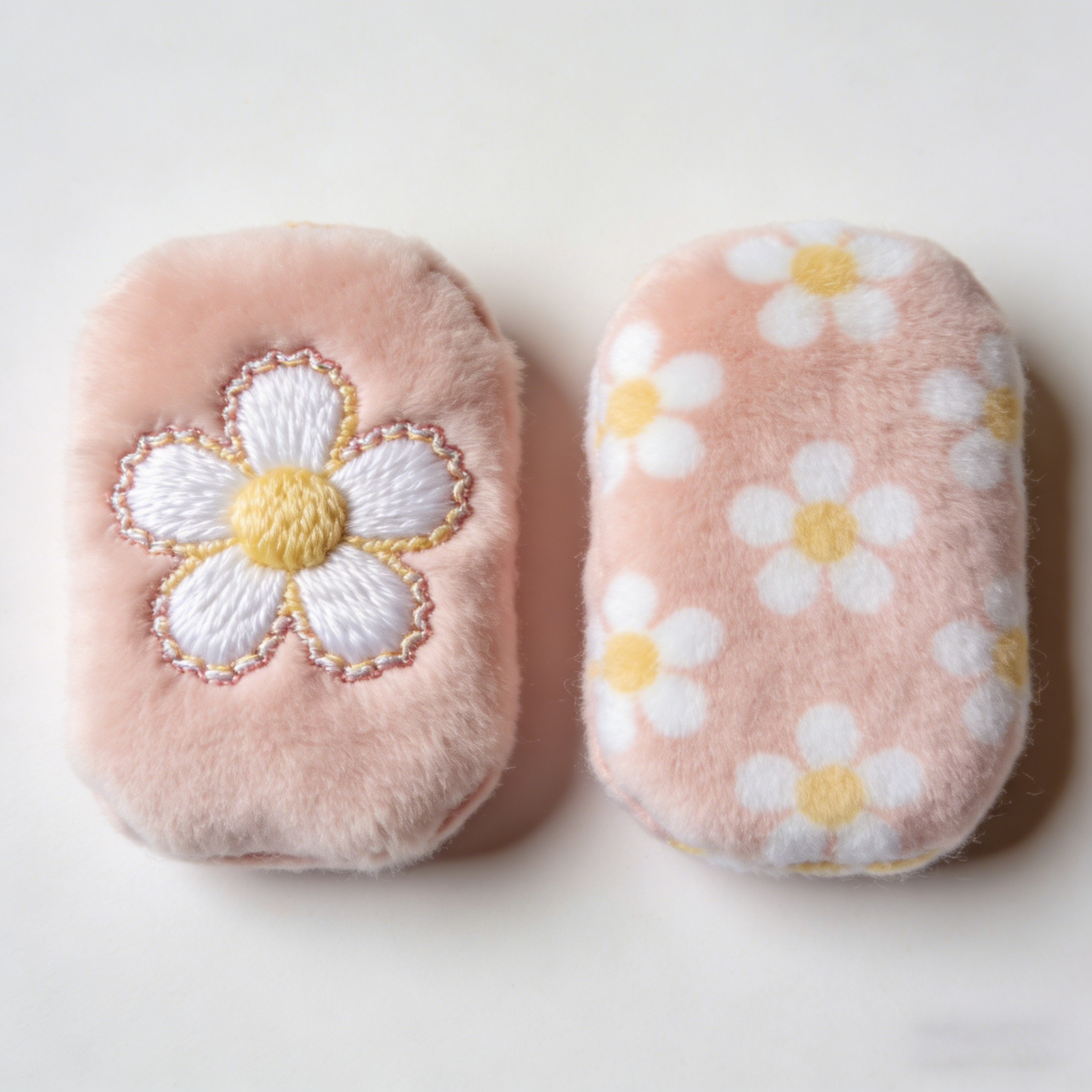
Embroidery vs printing visual comparison | Wehao Toys

Embroidery vs Printing on Plush Toys: Cost, Durability & Look

Introduction When choosing a surface decoration method for custom plush toys, embroidery and printing are often treated as interchangeable options. In practice, they lead to very different outcomes in cost control, durability, and overall product perception. This article explains how each method works, where it performs well, and where it creates hidden risks—based on plush

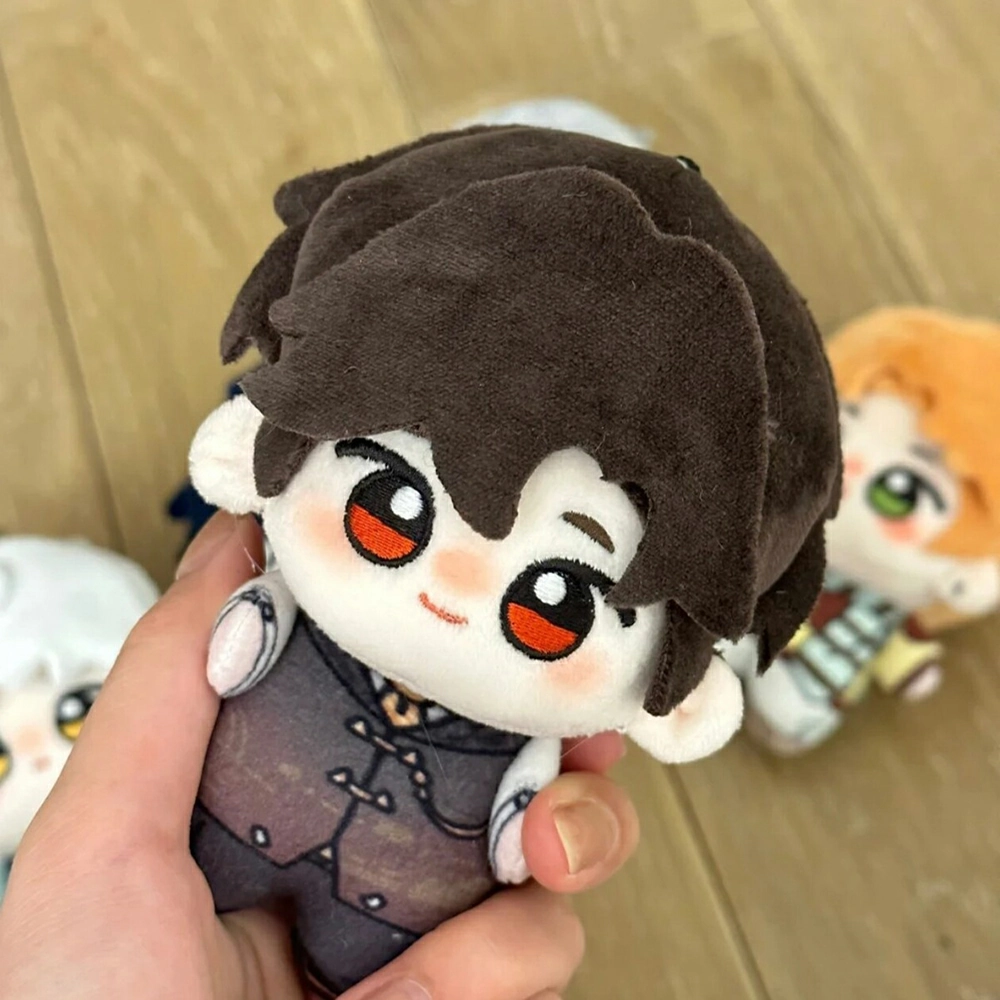
Finished plush toy samples | Wehao Toys

Plush Toy Materials Guide: Minky, Cotton, Sherpa & More

Introduction Material choice is one of the earliest—and most irreversible—decisions in custom plush development and is typically established during early project discussion.From our experience supporting OEM and ODM plush projects for the U.S. market, material selection affects not only touch and appearance, but also sampling speed, cost structure, quality risk, and compliance readiness. This guide

Email WhatsApp Phone Top
Scroll to Top