
Wehao Toys Editorial Team

Mini Plush Toys & Plush Keychains: Structure & Hardware

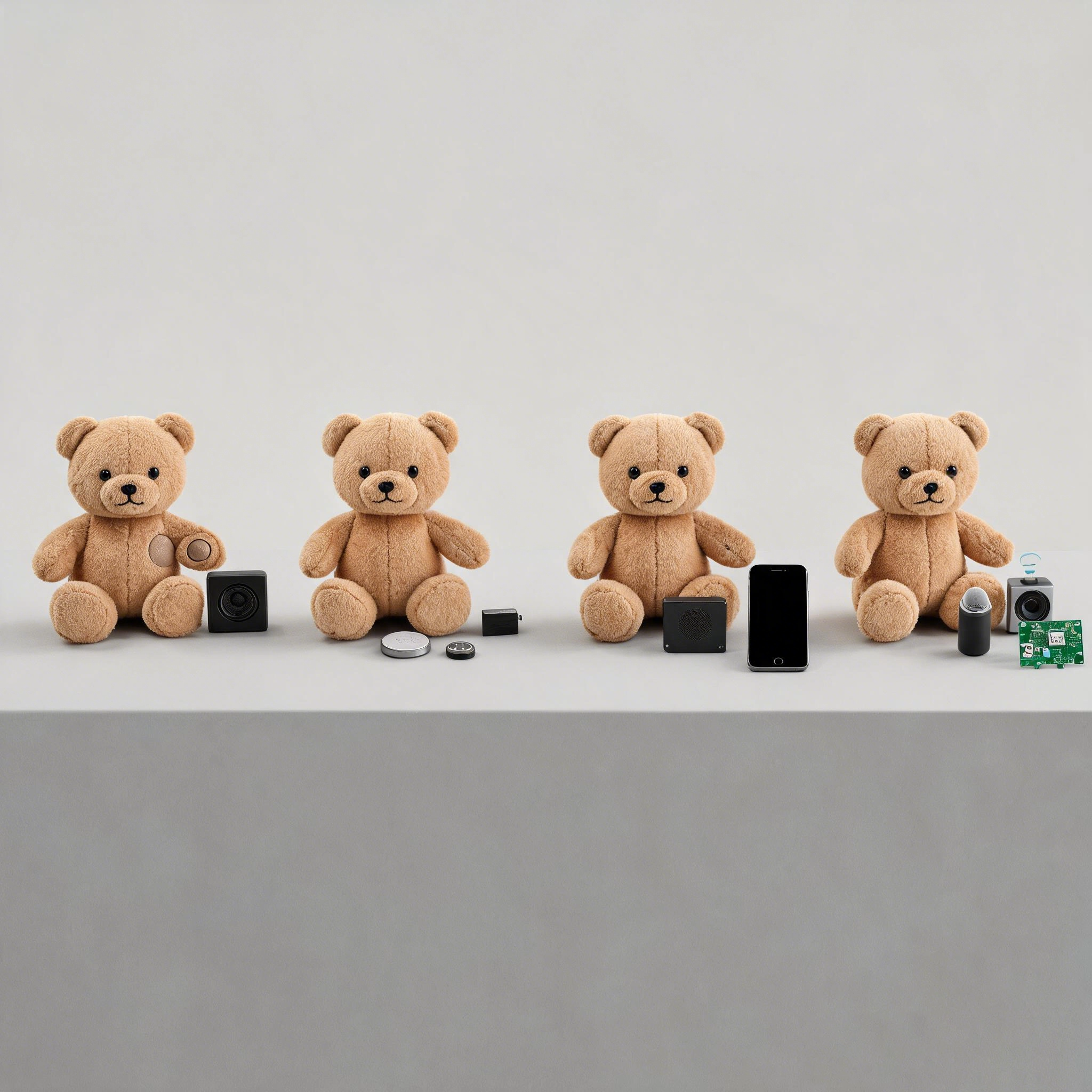
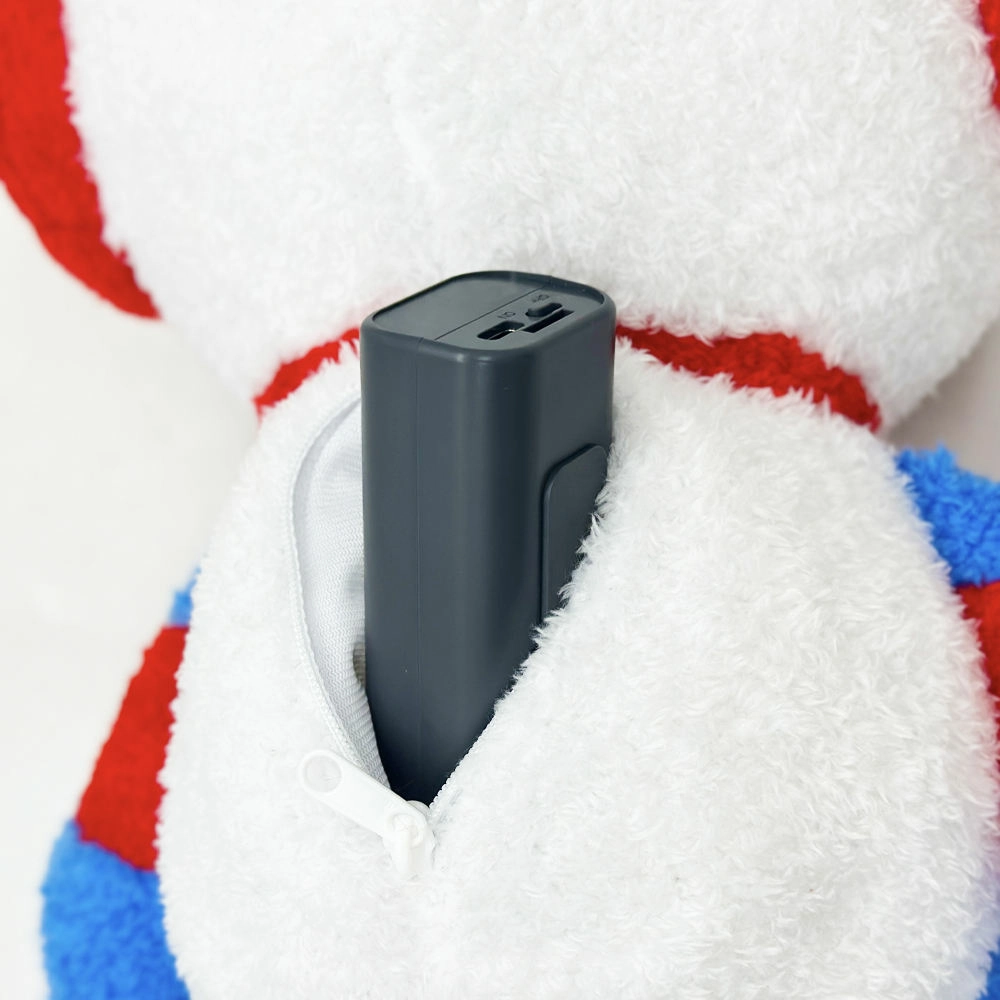
Answer Block Mini plush toys and plush keychains are defined by their compact structure and integrated hardware, where stitching strength, attachment type, and internal reinforcement directly determine durability and cost. In practical projects, most quality issues come not from fabric, but from how the hardware and structure are combined in a limited size. What Defines […]

Small Details on Plush Toys: Eyes, Noses & Accessories

Answer First Small parts on plush toys—such as eyes, noses, and accessories—directly affect safety, cost, and production stability.In most custom projects, these details determine whether a design can move efficiently from concept to mass production. Why Small Parts Matter More Than They Seem Small components are not decorative details; they define how a plush toy

Plush Pattern Basics: Why Some Designs Don’t Translate

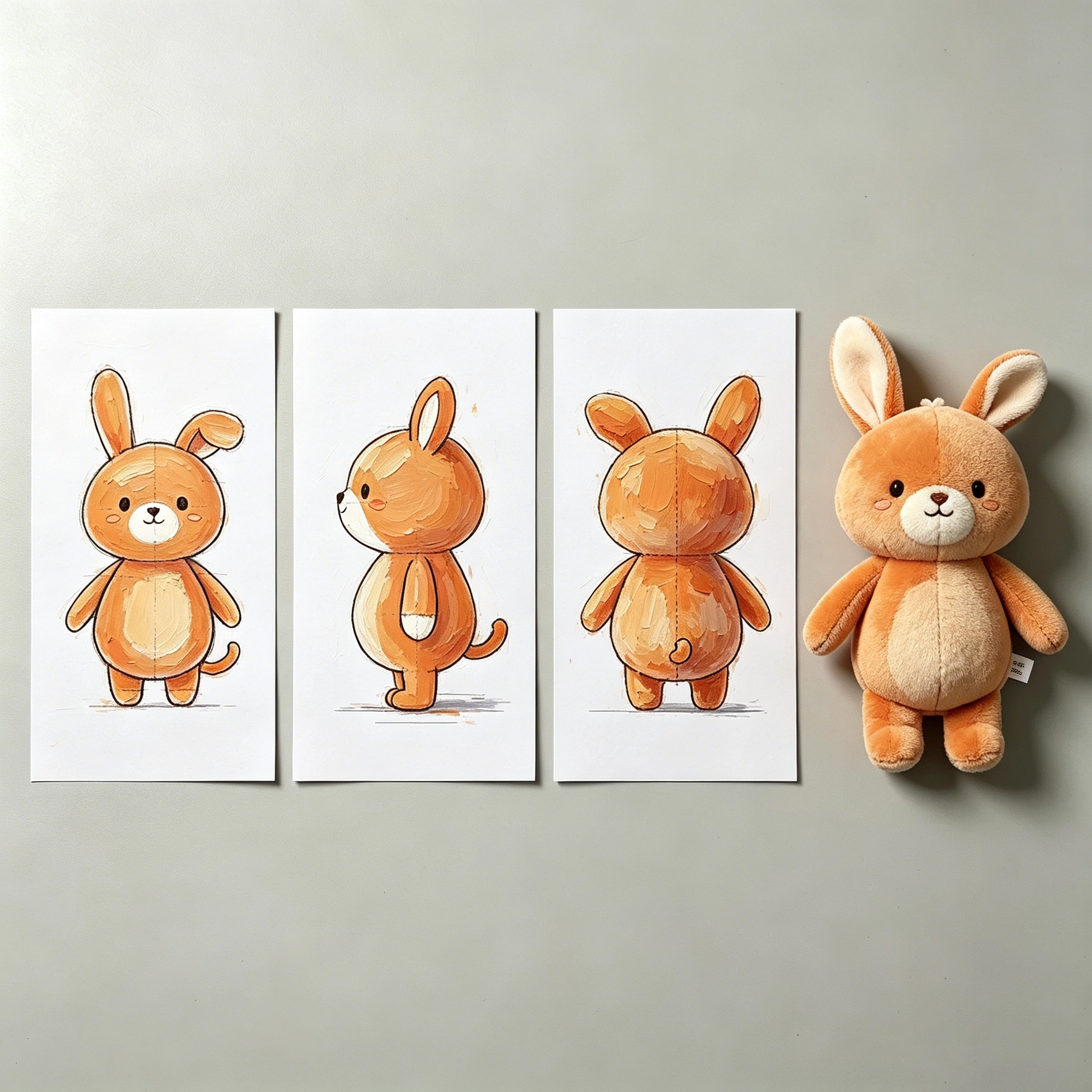
Answer Block Many plush toy designs fail because flat artwork cannot be directly translated into a three-dimensional structure without adjusting proportions, segmentation, and material behavior. Designs that ignore pattern logic often require multiple sampling revisions or become cost-prohibitive to produce. 1. 2D Artwork Does Not Equal 3D Structure A design file shows shape visually, but

Short Pile vs Long Pile Plush: Pros & Cons Explained

Short Answer: What’s the Difference? Short pile plush has a surface length typically under 5mm and delivers a smooth, clean finish with clear details. Long pile plush usually ranges from 10–30mm and creates a soft, fluffy appearance but reduces detail sharpness. The discuss which fabric suits your design between them is not aesthetic alone—it directly

Minky vs Velboa vs Sherpa: What is the Real Difference?

Minky is the softest and most premium-feeling fabric, Velboa is the most cost-efficient and stable for mass production, while Sherpa offers a textured, wool-like appearance but comes with higher variability in production. In a plush fabric comparison, the choice is not about which is better, but which aligns with your cost, design, and consistency requirements.

Plush Toy Weight & Stuffing Guide: Shape, Cost & Feel

What determines plush toy weight, shape, and feel? The weight, shape stability, and tactile feel of a plush toy are primarily determined by stuffing density, material type, and internal structure design. Among these, stuffing density alone can change total weight by 30–60% in the same size product. In practical sampling, we usually fine-tune stuffing in

Private Label Plush Toys: Packaging, Labels & Inserts Explained

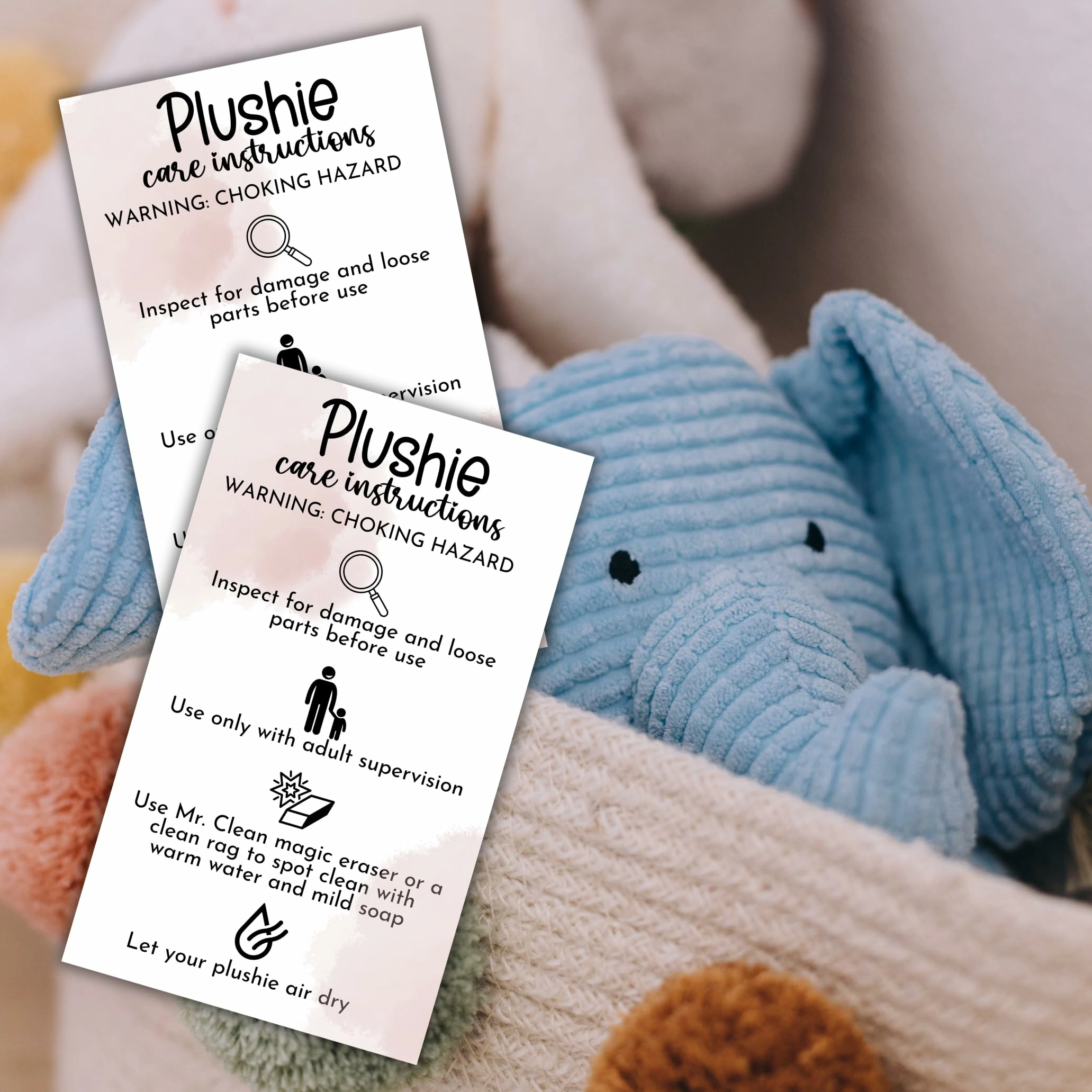
When a plush toy is developed under a private label program, the toy itself is only part of the finished product. Packaging, labels and inserts form the structure that carries brand identity, regulatory information and product presentation. These elements are typically confirmed during the sampling stage so they can be applied consistently once bulk production

Email WhatsApp Phone Top
Scroll to Top