Short Pile vs Long Pile Plush: Pros & Cons Explained

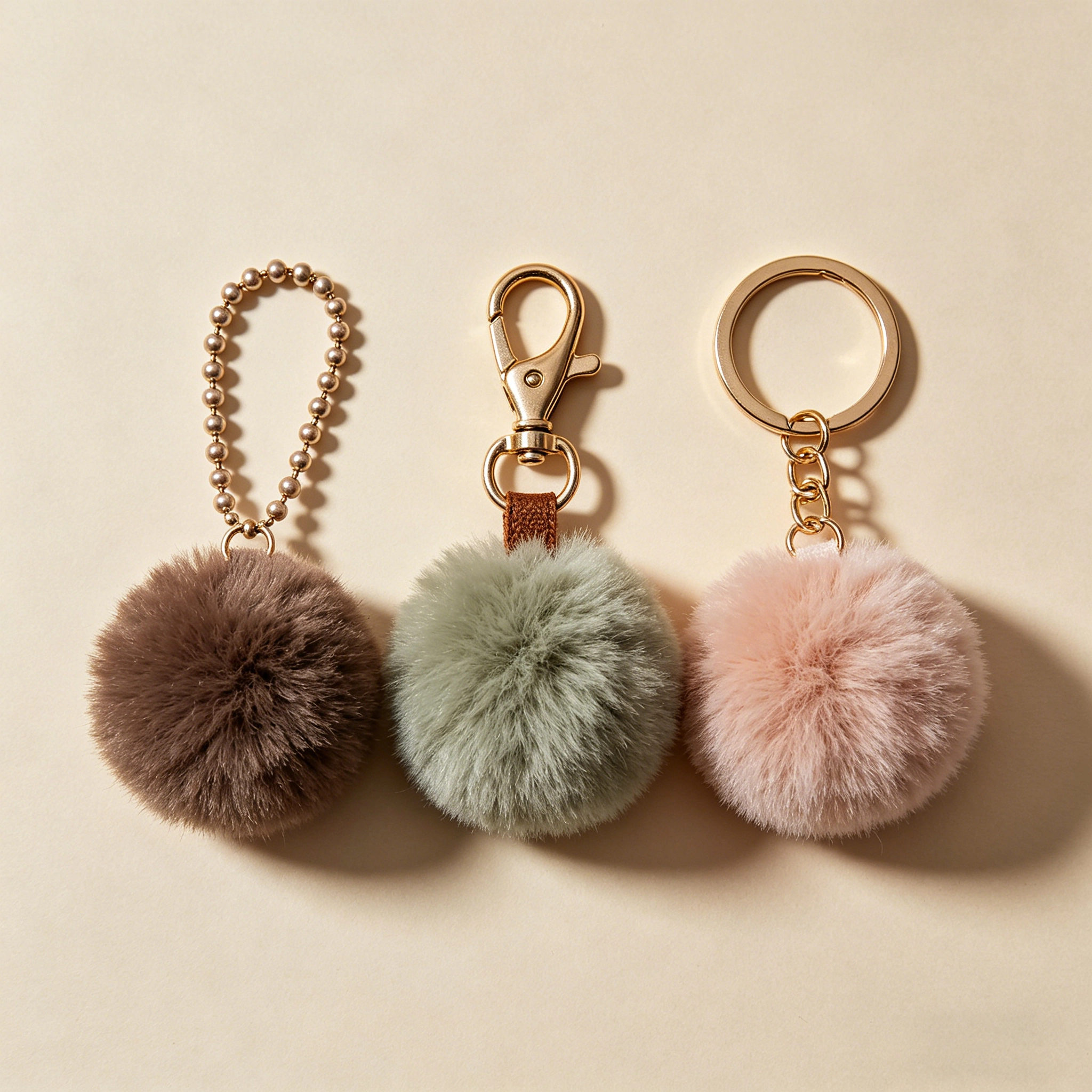
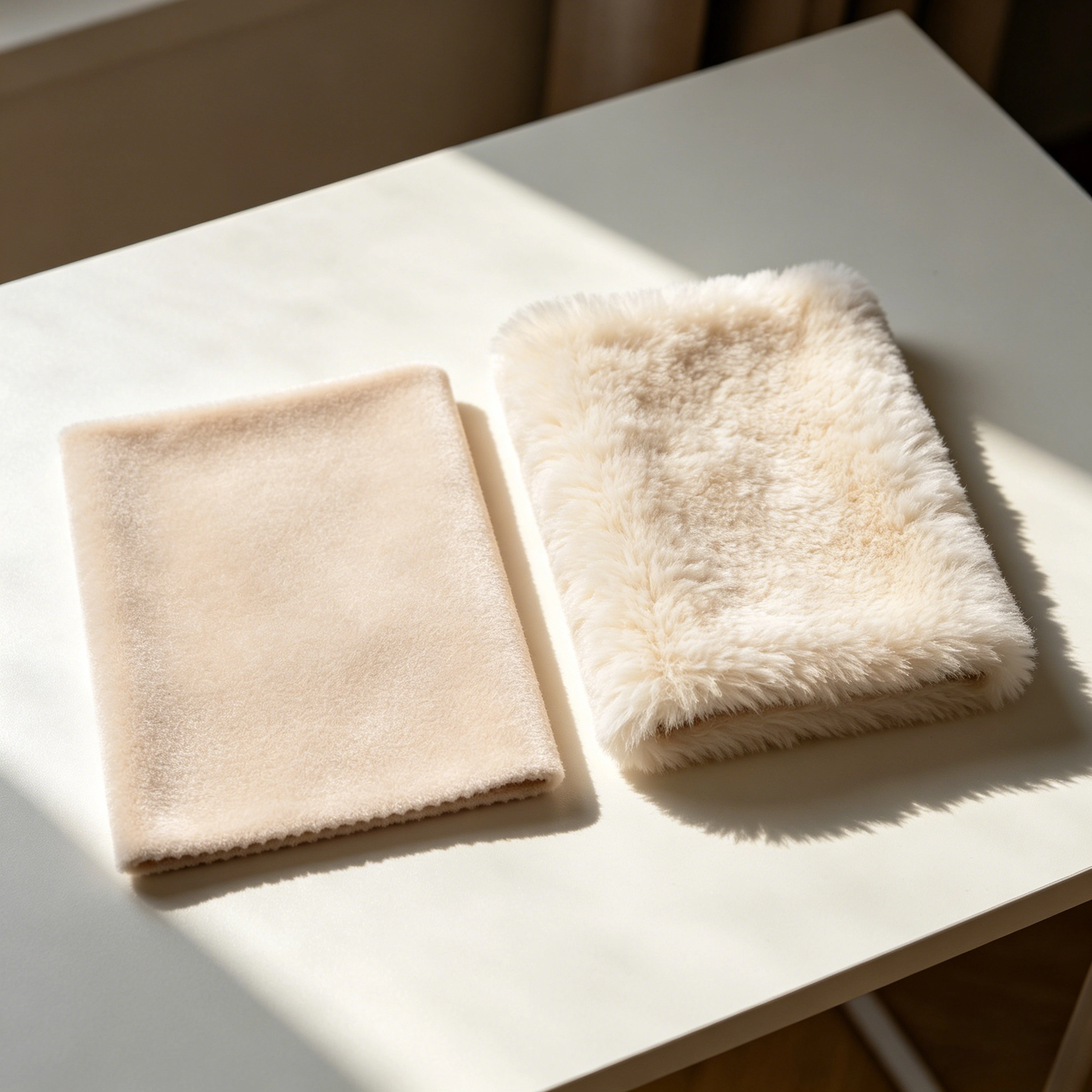
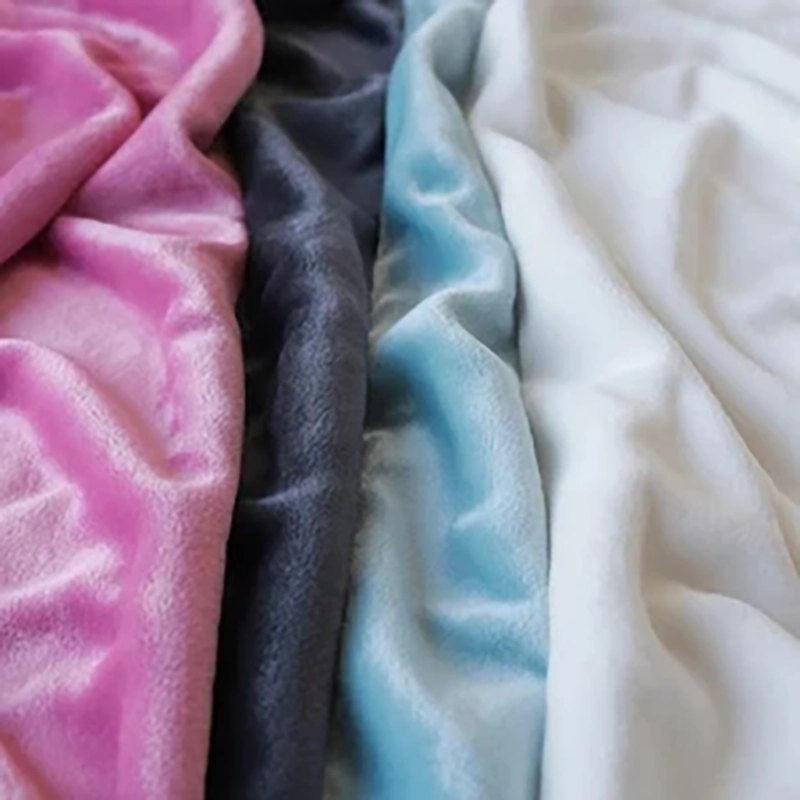
Short Answer: What’s the Difference? Short pile plush has a surface length typically under 5mm and delivers a smooth, clean finish with clear details. Long pile plush usually ranges from 10–30mm and creates a soft, fluffy appearance but reduces detail sharpness. The discuss which fabric suits your design between them is not aesthetic alone—it directly […]

Minky vs Velboa vs Sherpa: What is the Real Difference?

Minky is the softest and most premium-feeling fabric, Velboa is the most cost-efficient and stable for mass production, while Sherpa offers a textured, wool-like appearance but comes with higher variability in production. In a plush fabric comparison, the choice is not about which is better, but which aligns with your cost, design, and consistency requirements.

Plush Toy Weight & Stuffing Guide: Shape, Cost & Feel

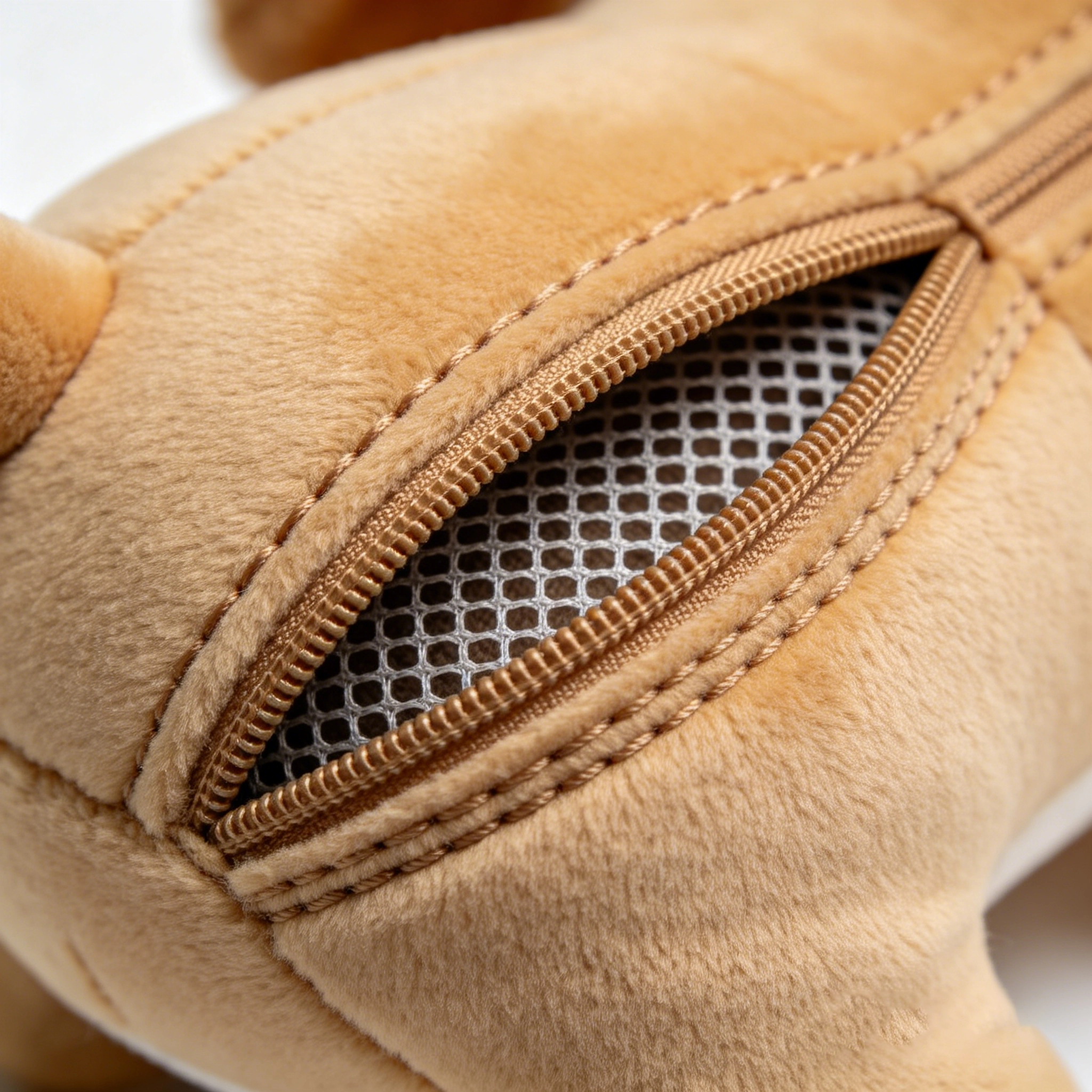
What determines plush toy weight, shape, and feel? The weight, shape stability, and tactile feel of a plush toy are primarily determined by stuffing density, material type, and internal structure design. Among these, stuffing density alone can change total weight by 30–60% in the same size product. In practical sampling, we usually fine-tune stuffing in

Private Label Plush Toys: Packaging, Labels & Inserts Explained

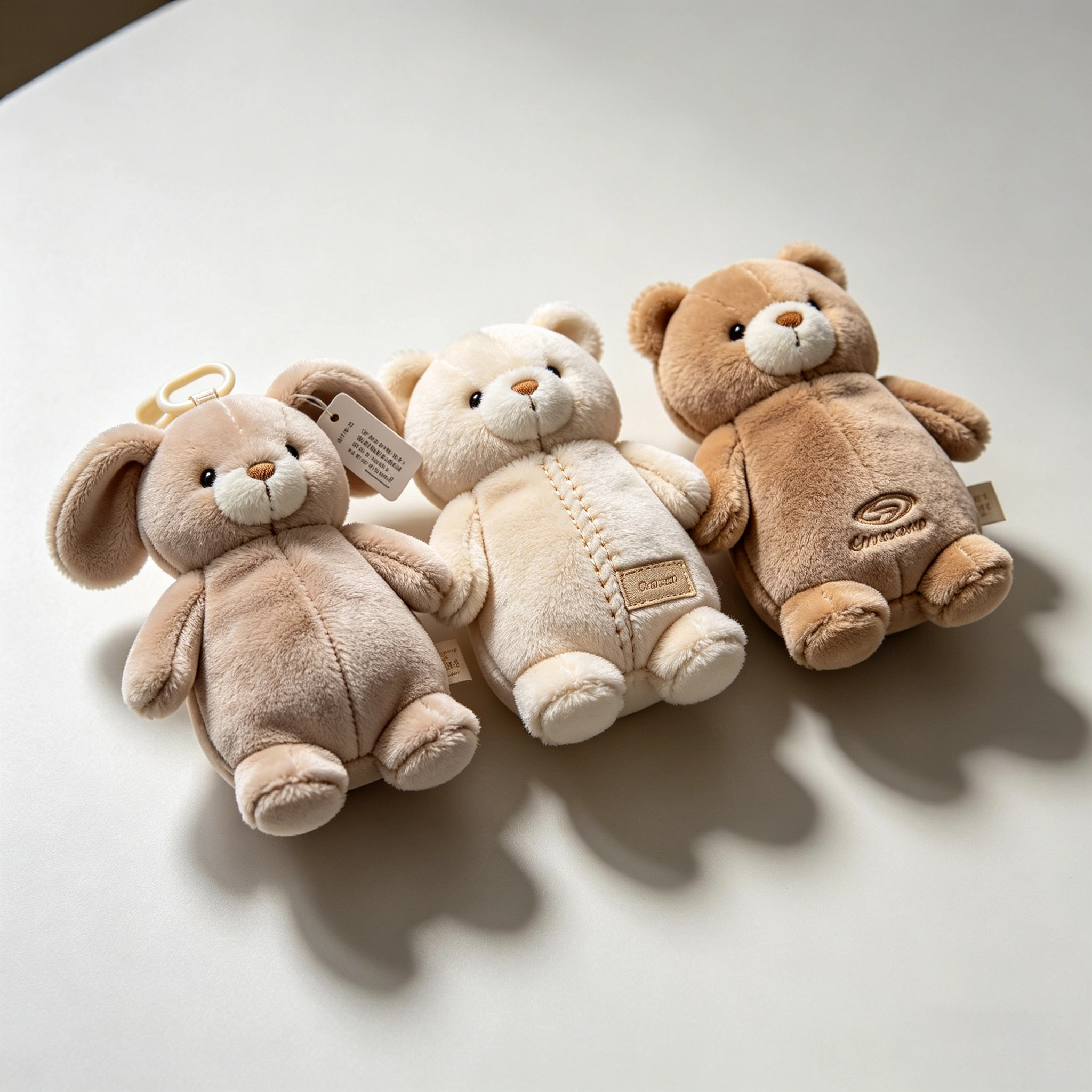
When a plush toy is developed under a private label program, the toy itself is only part of the finished product. Packaging, labels and inserts form the structure that carries brand identity, regulatory information and product presentation. These elements are typically confirmed during the sampling stage so they can be applied consistently once bulk production

Production Timeline for Custom Plush Toys: Sample to Shipment

For U.S. buyers, delivery timing is often tied to retail windows, seasonal campaigns, or IP launches. Understanding the plush toy production timeline is less about counting days and more about identifying decision points that affect those days. Below is how we typically structure a project — from concept approval to shipment departure. 1. Project Evaluation and

Plush Toy Quality Inspection: What Buyers Should Check

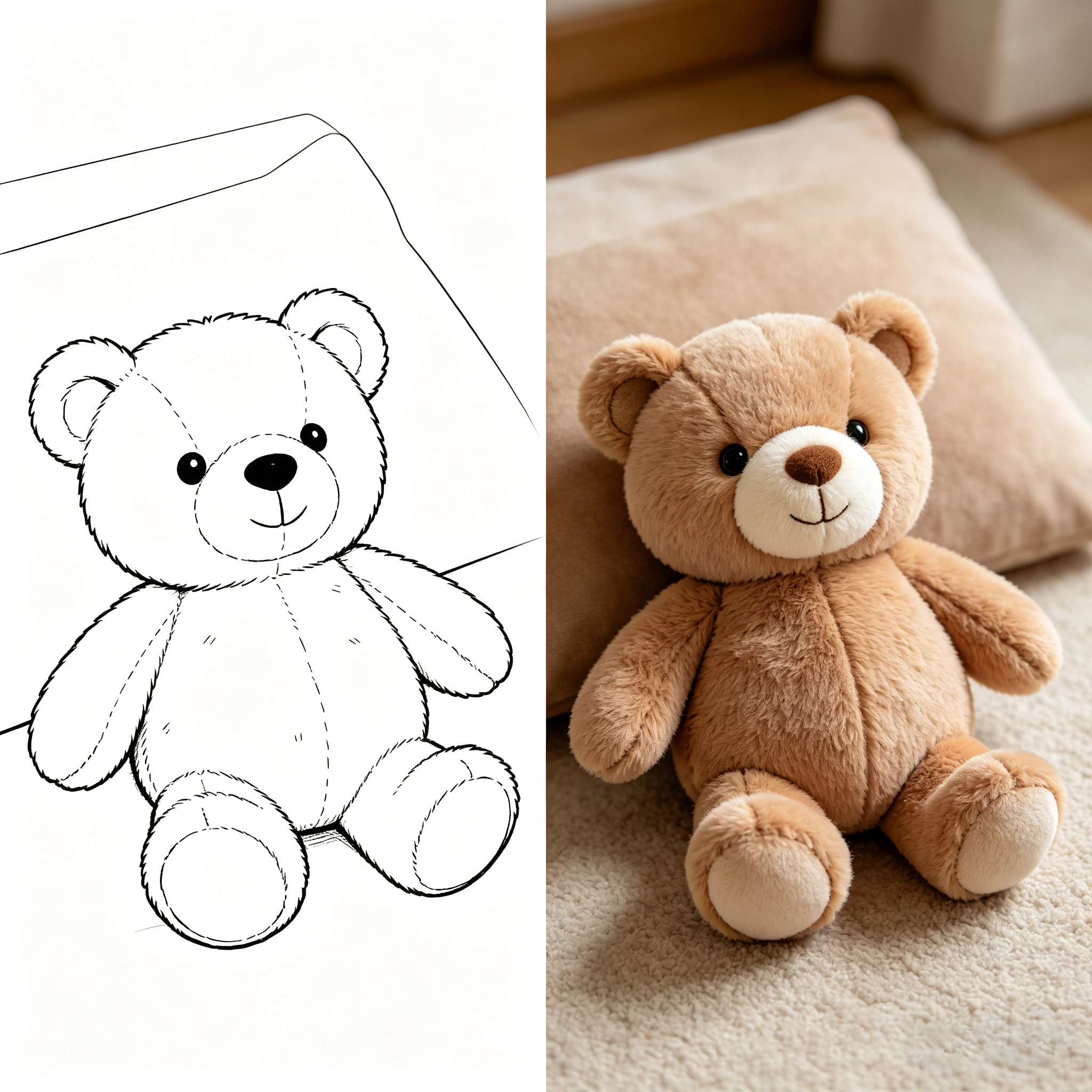
Introduction When evaluating a custom plush project, quality inspection is not a single checkpoint. It is a series of judgments made across samples, materials, structure, and tolerances. For buyers sourcing for the U.S. market, understanding how to assess plush toy quality early helps prevent downstream issues in cost, timelines, and compliance. This article explains what

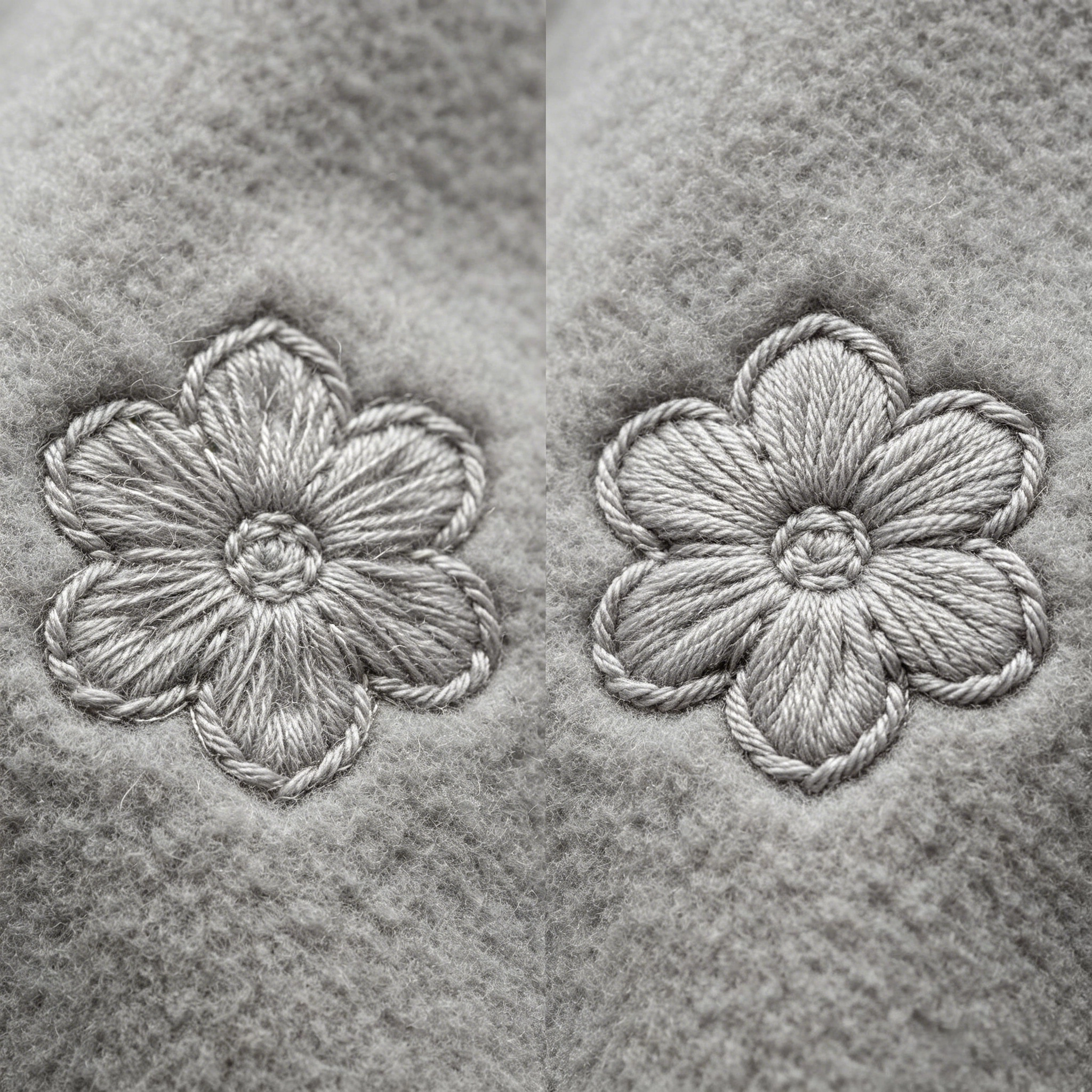
Embroidery vs Printing on Plush Toys: Cost, Durability & Look

Introduction When choosing a surface decoration method for custom plush toys, embroidery and printing are often treated as interchangeable options. In practice, they lead to very different outcomes in cost control, durability, and overall product perception. This article explains how each method works, where it performs well, and where it creates hidden risks—based on plush

Plush Toy Materials Guide: Minky, Cotton, Sherpa & More

Introduction Material choice is one of the earliest—and most irreversible—decisions in custom plush development and is typically established during early project discussion.From our experience supporting OEM and ODM plush projects for the U.S. market, material selection affects not only touch and appearance, but also sampling speed, cost structure, quality risk, and compliance readiness. This guide

Plush Toy Cost Breakdown: What Really Affects the Price

Introduction When buyers ask about plush toy pricing, the real challenge is rarely the number itself.The difficulty lies in understanding what actually drives the cost, and which variables are adjustable without compromising the project outcome. In this article, we break down how plush toy pricing is formed from a buyer’s perspective—based on real custom plush

Email WhatsApp Phone Top
Scroll to Top